takuji hamanaka
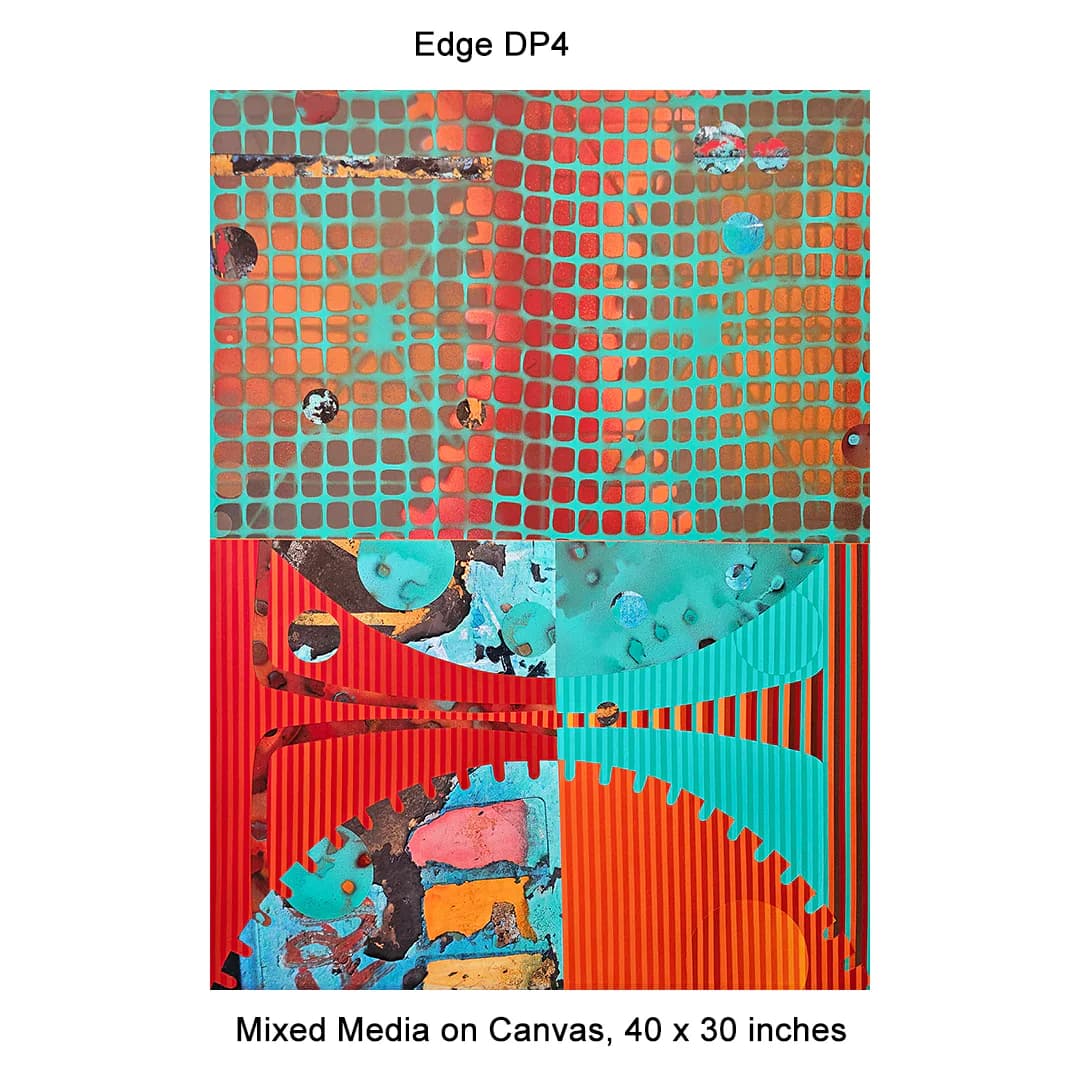
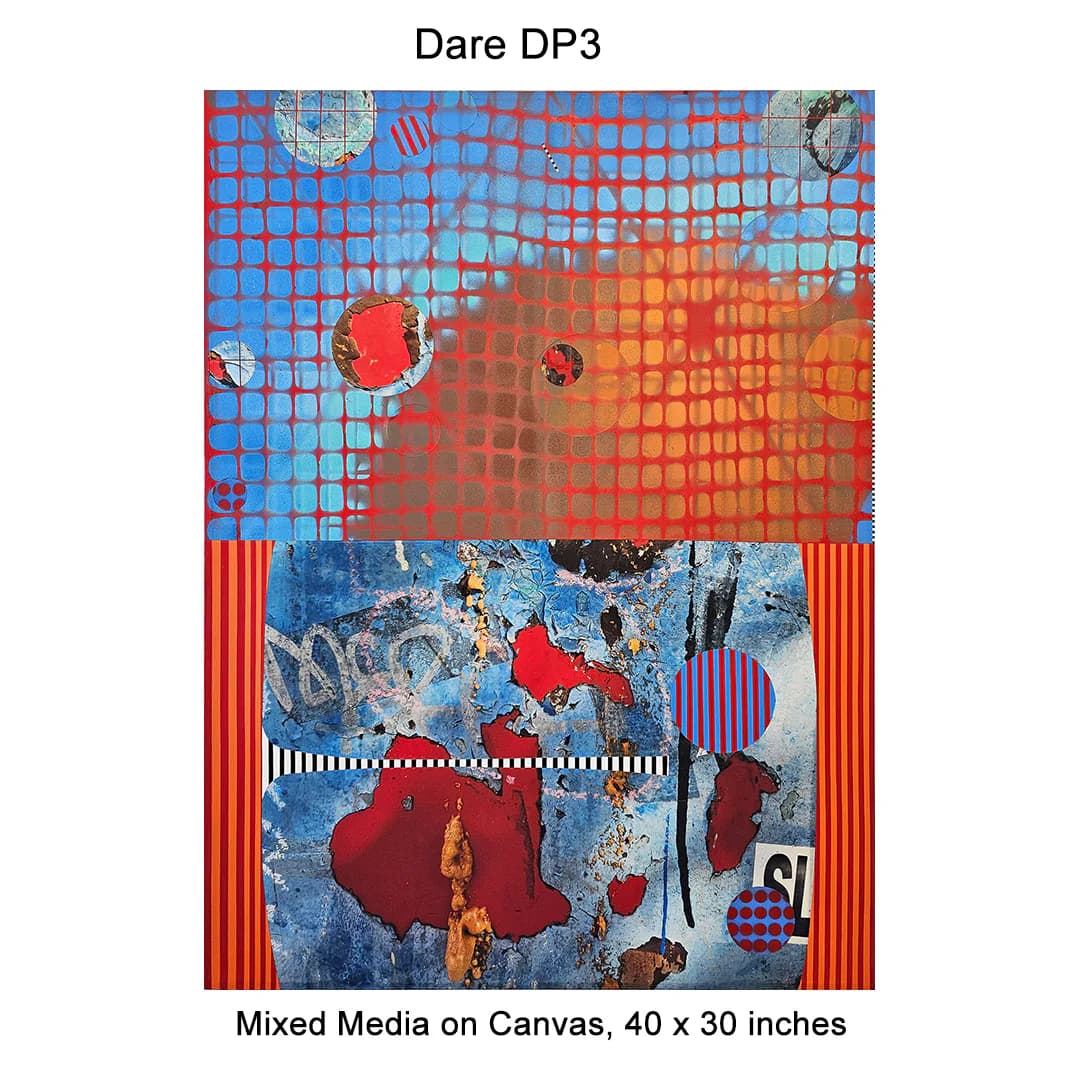
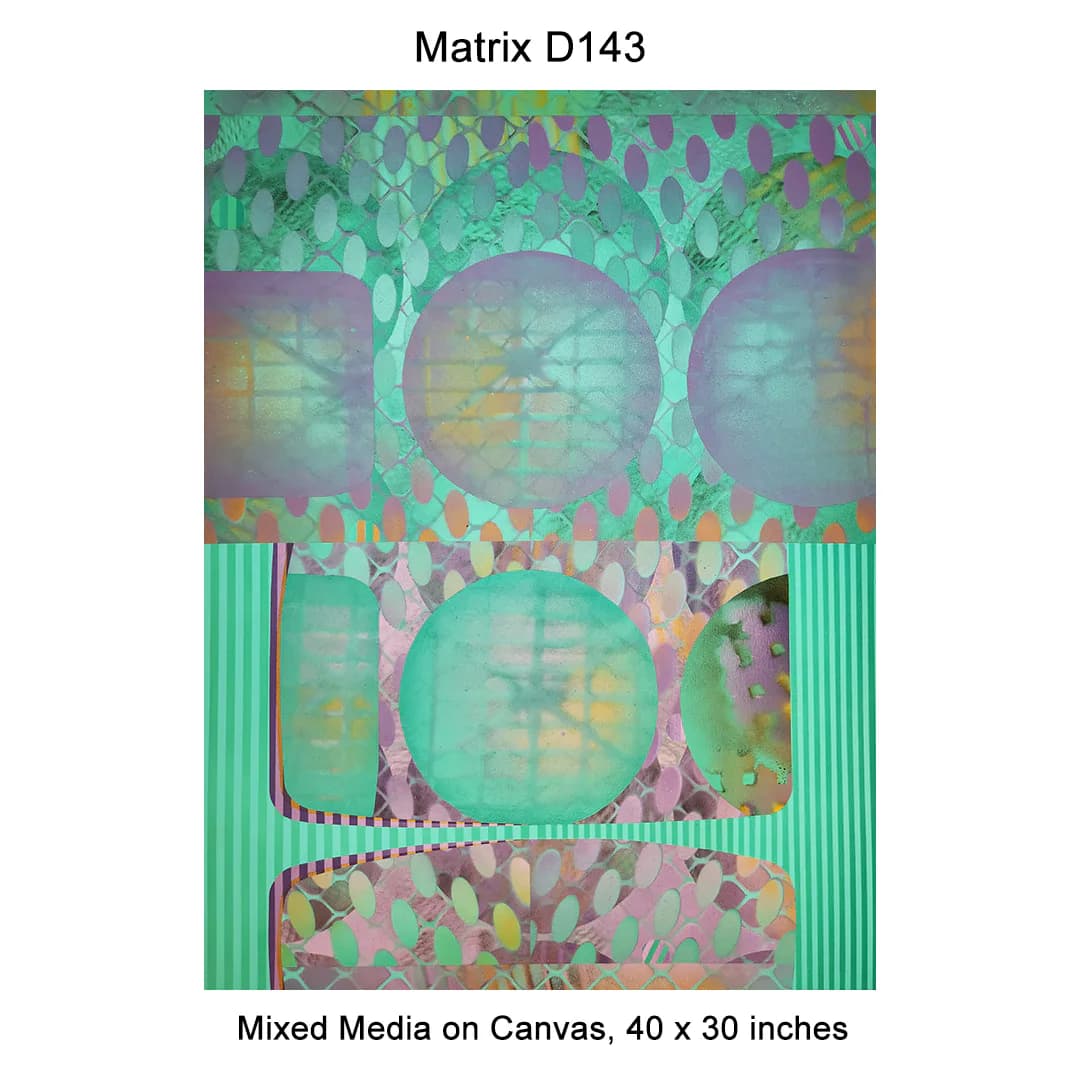
OtherTakuji Hamanaka is a Brooklyn-based artist and printmaker specializing in traditional Japanese woodblock printing (mokuhanga). He apprenticed at the Adachi Institute of Woodcut Prints in Tokyo (1986-89) before establishing his studio in Brooklyn. His recent work combines mokuhanga with collage using thin Japanese Gampi paper. He is a recipient of a New York Foundation for the Arts grant (2011) and a MacDowell Colony residency (2013).
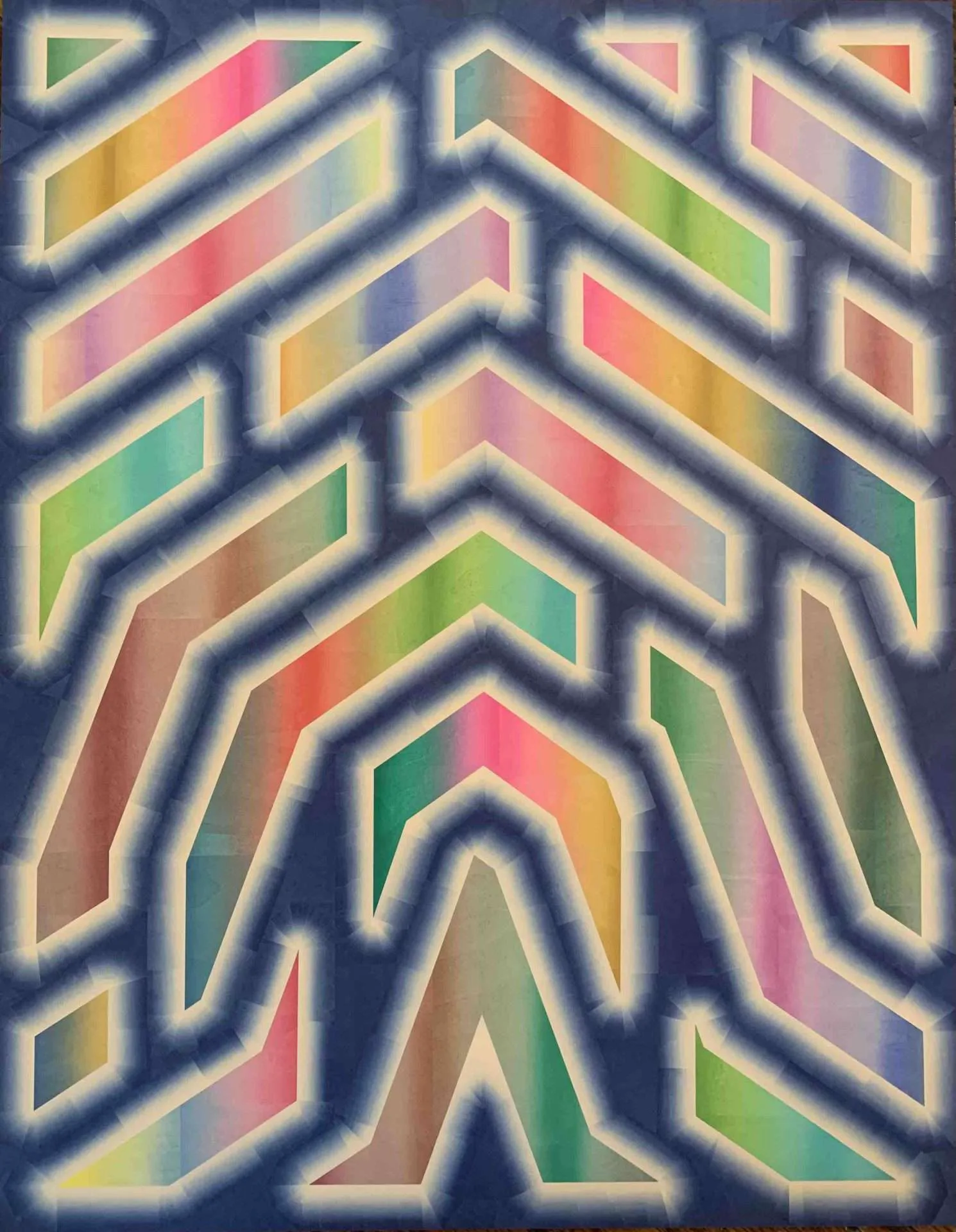
I have been working with biomorphic images in both painting and print over the course of the last several years. To me biomorphic images seem to manifest the fundamental essence of living things, evoking the constant movement of organisms within themselves. My paintings create complex, intertwining networks that sometimes look partly human, partly vegetable. I hope I have succeeded in shaping some kind of crossbreed of the two. There is also an ambiguity to the images that hopefully allows for broader interpretation. To the contrary, simplicity is what I focus on when I make a print. The images in the prints are lean and stripped down compared to my paintings. The minimal elements in my prints do directly correspond to the layered shapes I work with in the paintings but achieve a very different effect. The surface of the printed image has always attracted me. I feel that there is a sort of tension on the surface of a print. The result of the printing process is that only what is necessary is retained on the paper, nothing more, and nothing less. It is different from what is painted even when the same color is used. Colors in prints do not just sit on the paper; rather they go deep into the paper. I like the unified surface and physical appearance that the printmaking process can convey. My interest in printmaking is shifting from making simple images to constructing repetitious forms and patterns by applying more and more layers of color and shape. I want to add emphasis to the structural patterns that are derived from the accumulation of simple units. I want the forms to pass from the geometric to the plastic. I want to weave a sense of time and space into that structural pattern. That would be a very affirmative achievement for me. -Takuji Hamanaka, New York, 2005