James Dinerstein
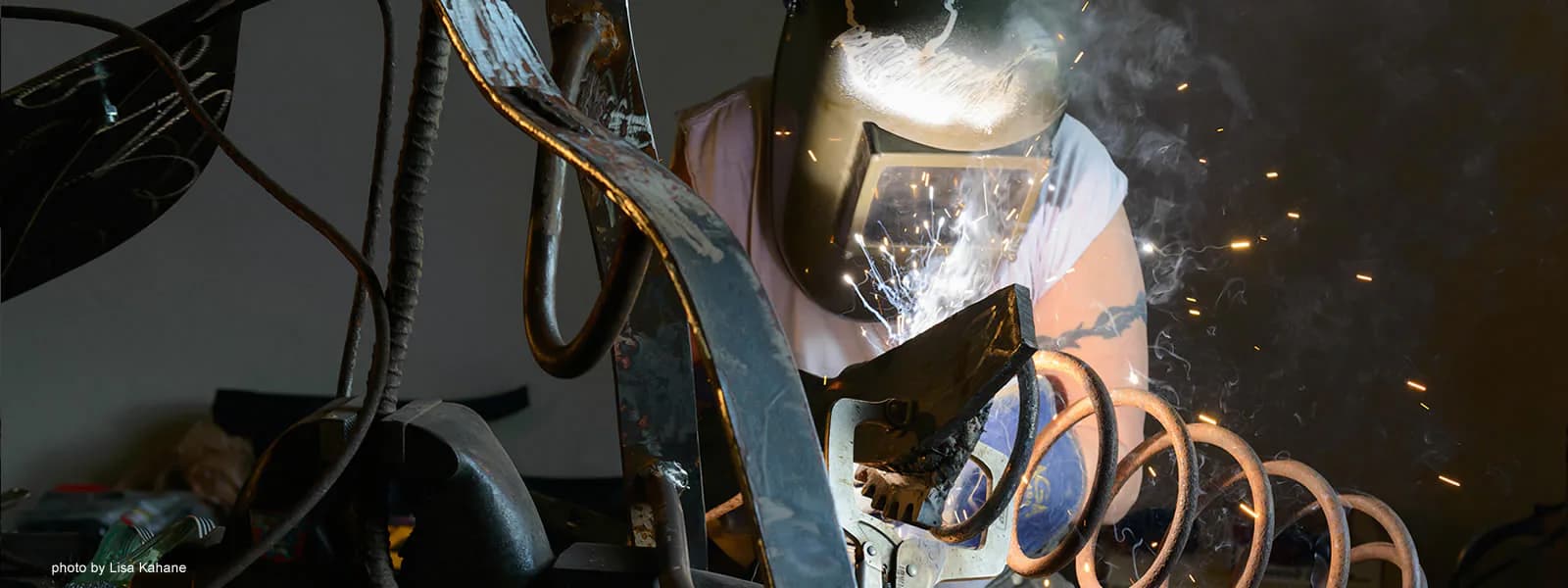
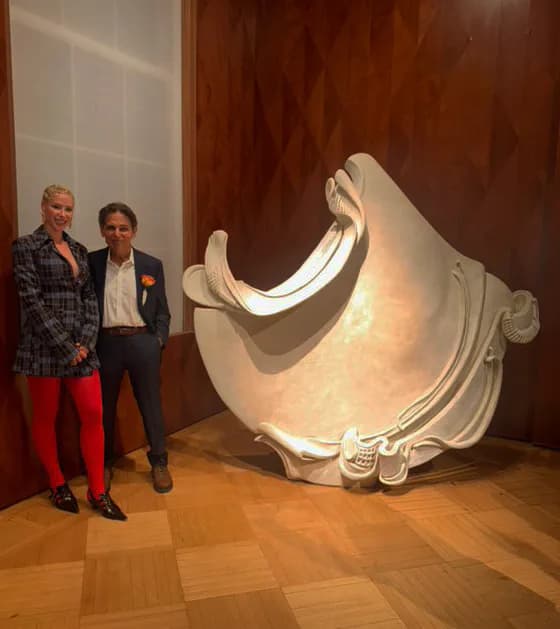
SculptureJames Dinerstein is an abstract sculptor with a studio in the Greenpoint Manufacturing and Design Center in Brooklyn, overlooking Newtown Creek. He graduated from Harvard College, where he studied with art historian Michael Fried and philosopher Stanley Cavell, and later trained in sculpture at St. Martin's Art School in London under Anthony Caro and William Tucker. His work fuses the constructivist openness of twentieth-century abstraction with the plastic mass and archaic weight of ancient Greek sculpture, particularly kouroi and kore figures. After working primarily in bronze for years, he shifted to concrete and clay. He has shown at Cara Gallery and Grounds For Sculpture, and his work has been reviewed by critic Louis Menand.
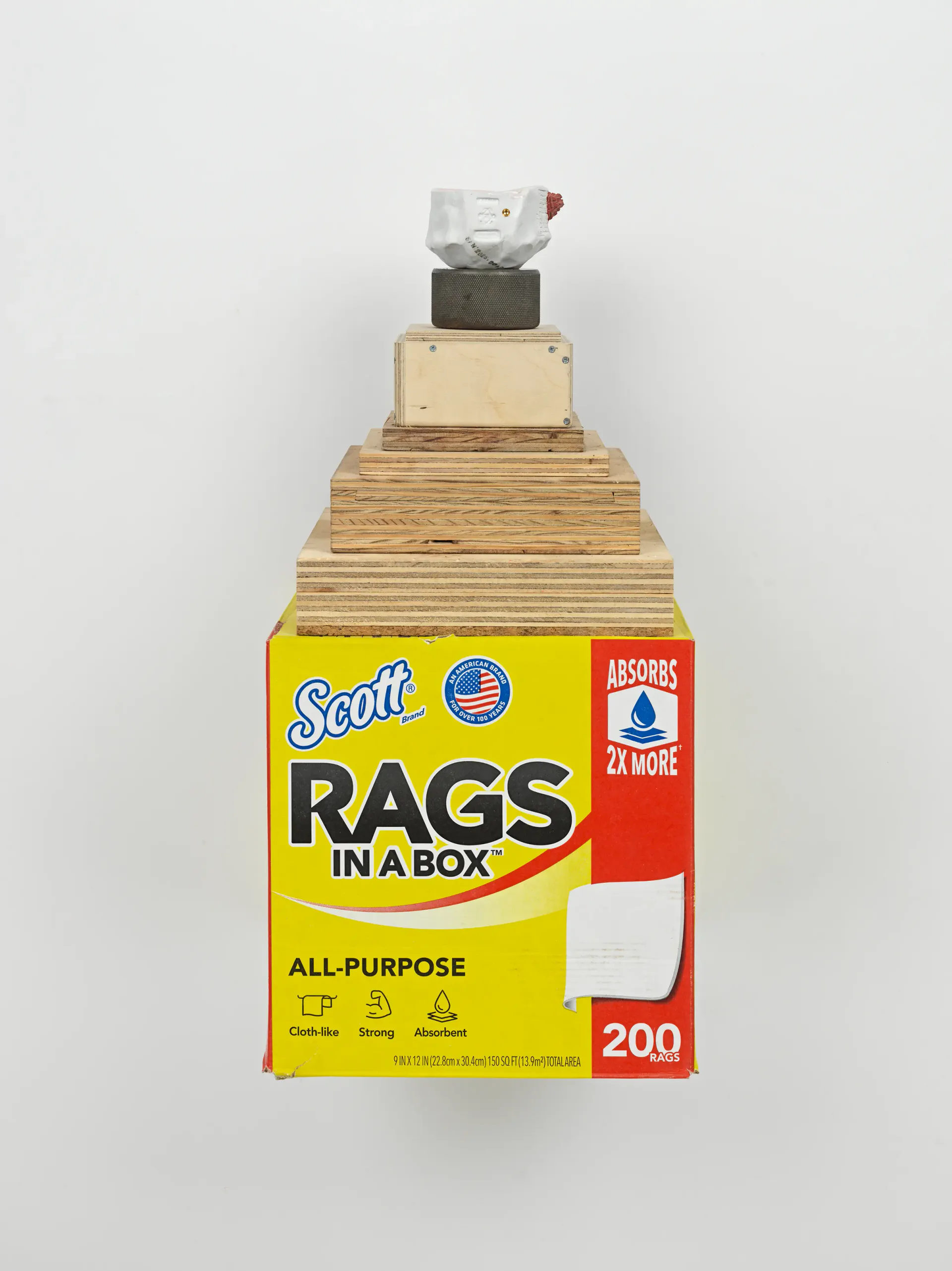
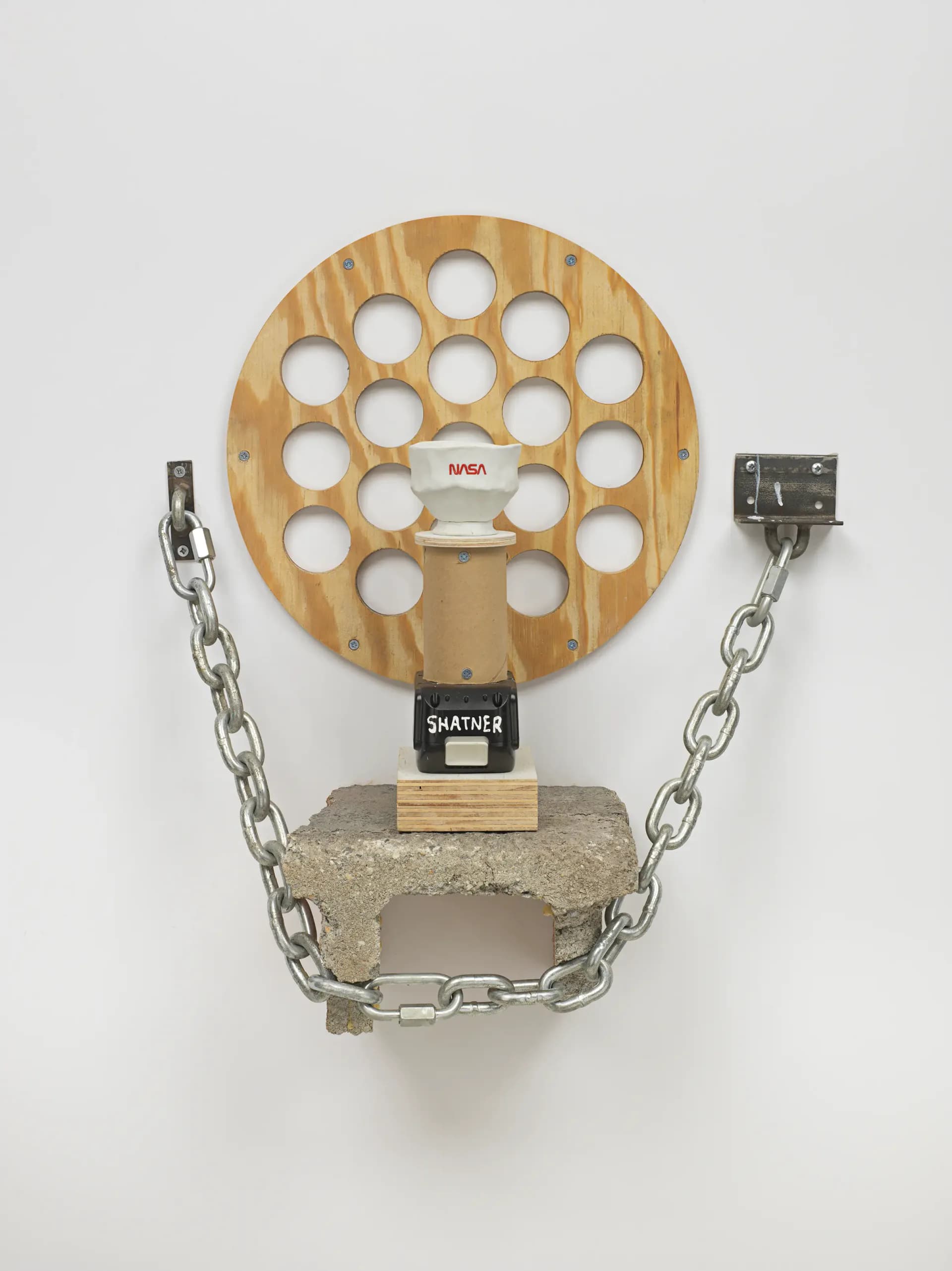
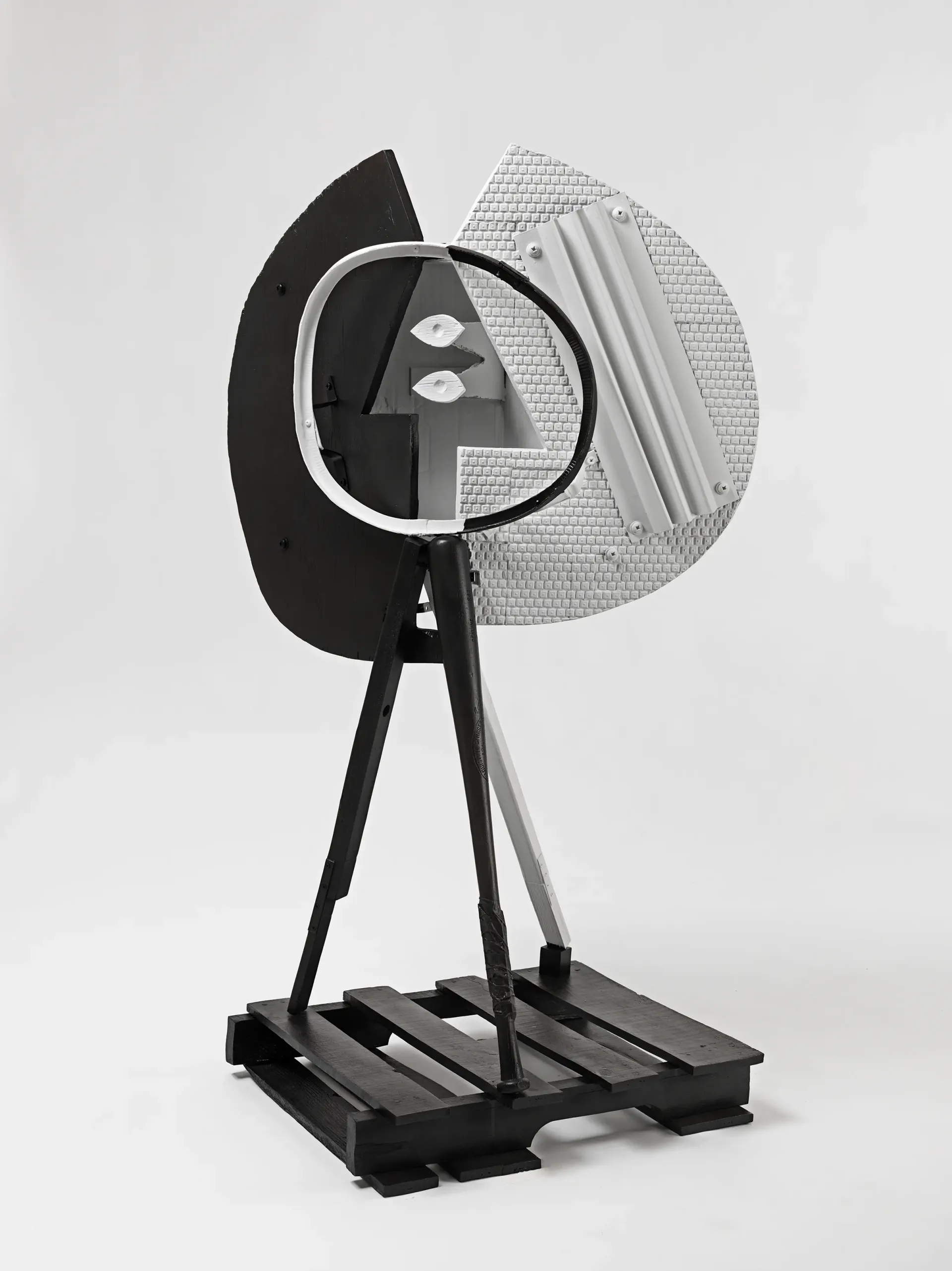
On one level, it is trying to restore to abstract sculpture the resources of plasticity and mass. On another, to manifest the spiritual weight and potency that I find present in ancient art. In particular, the archaic Greek kouroi and kori have been important to me. The decisive uprising and standing of these figures, the freely sensuous yet rigorous plastic articulation, the resolve and inner luminosity of their bearing, I find uniquely compelling. I've tried to make a kind of abstract sculpture that could stand with this kind of necessity and naturalness, by marrying the constructivist ideas of spatial openness and juxtaposition of discrete forms, with the ancient tradition of shaping a plastic mass. Related as much to the way ancient metal pouring vessels and utensils were formed, as to sculptural works per se, my method of working involves taking a simple plastic substance (clay) and subjecting it to a set of clear forces; in particular a kind of extrusion pressure is important, generating elements that achieve a kind of natural expressivity as this simple logic is deformed and inflected at the juncture of parts and at crest or end points. Another ambition for these recent sculptures is expressible in a musical analogy: the combining of two kinds of sculptural articulation -- plastic modeling in concert with the abutment or enjambment of discrete elements -- makes possible a type of sculptural polyphony. Within the over-all stance and unity of the work, plastic motifs are announced and answered, transformed and repeated in differing rhythms and scales, in ways comparable to musical counterpoint.