Alice Garik
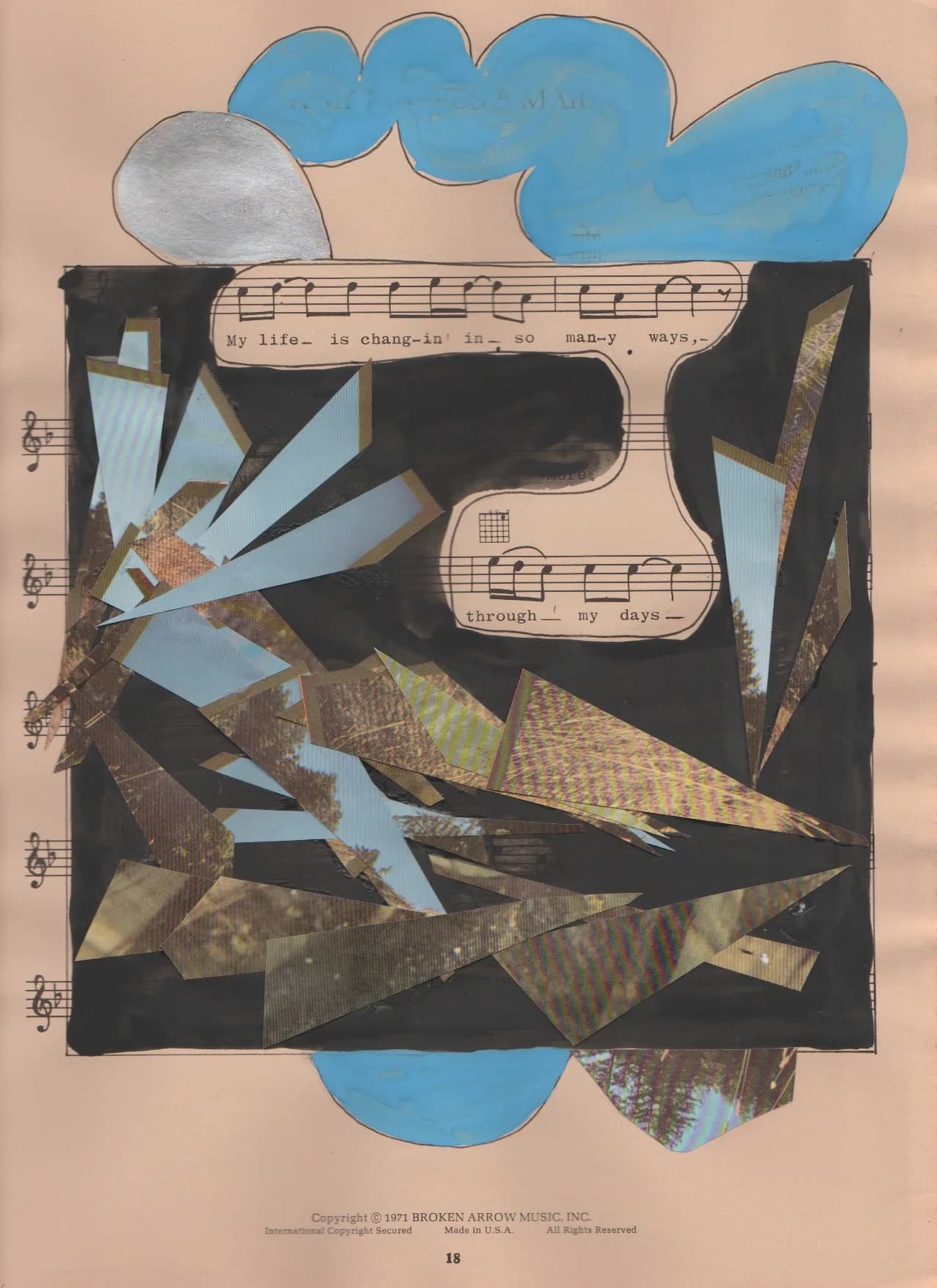
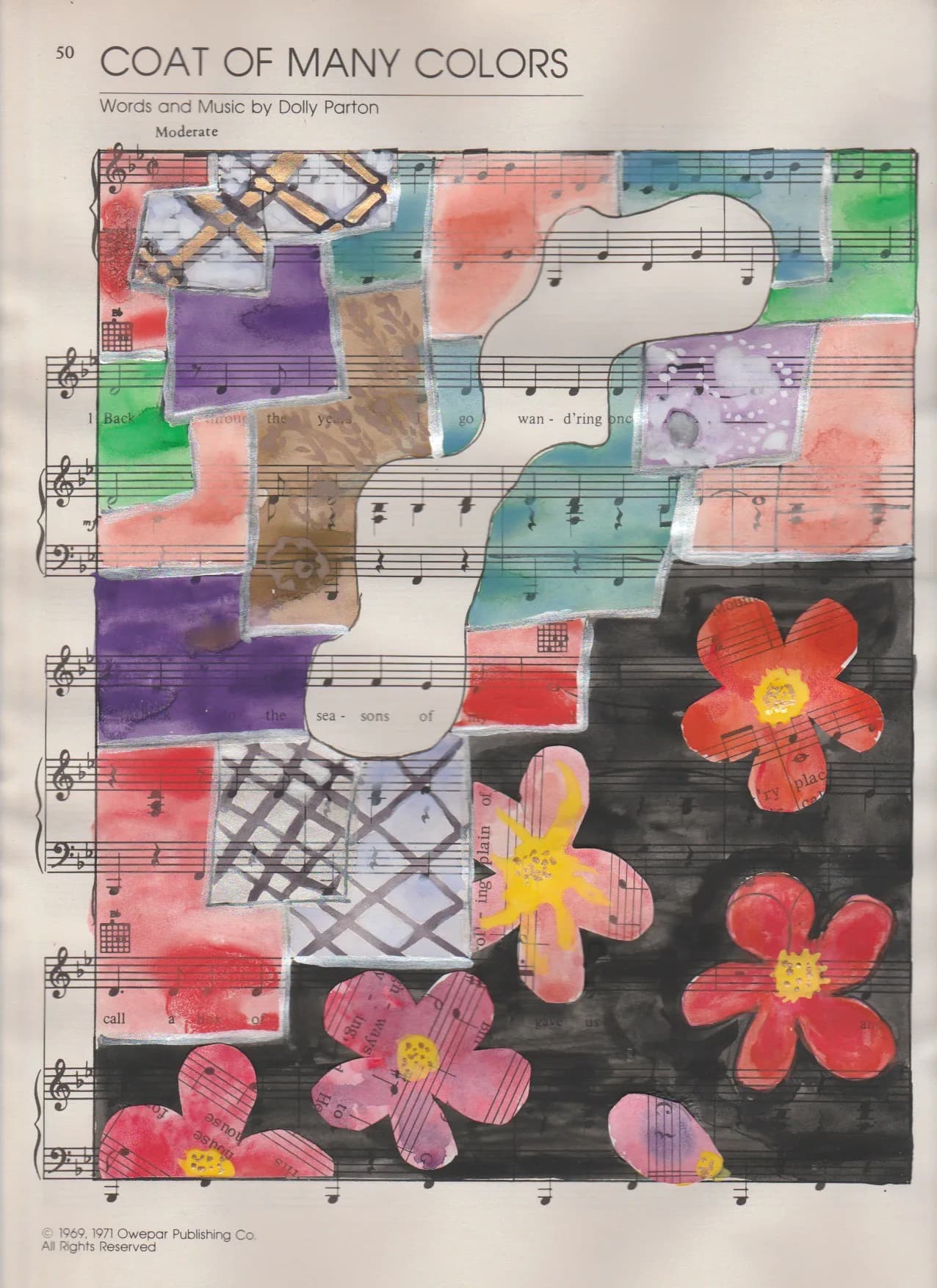
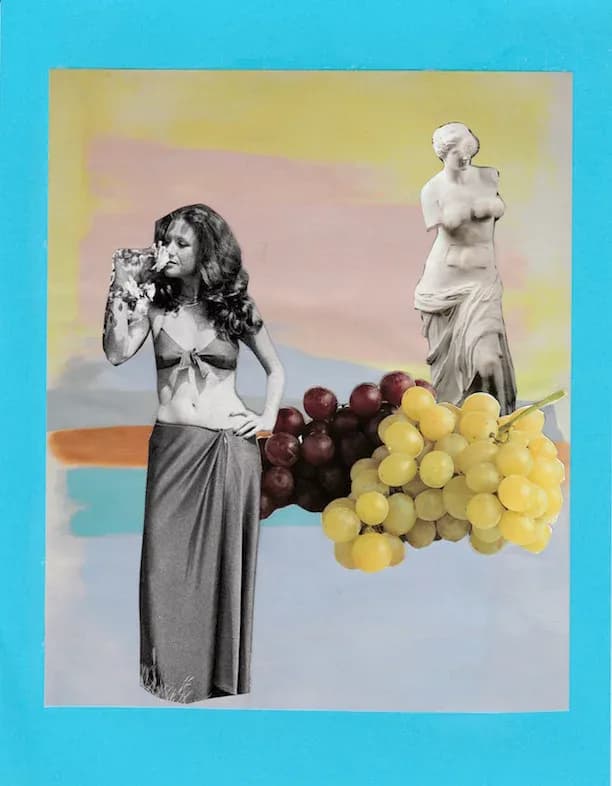
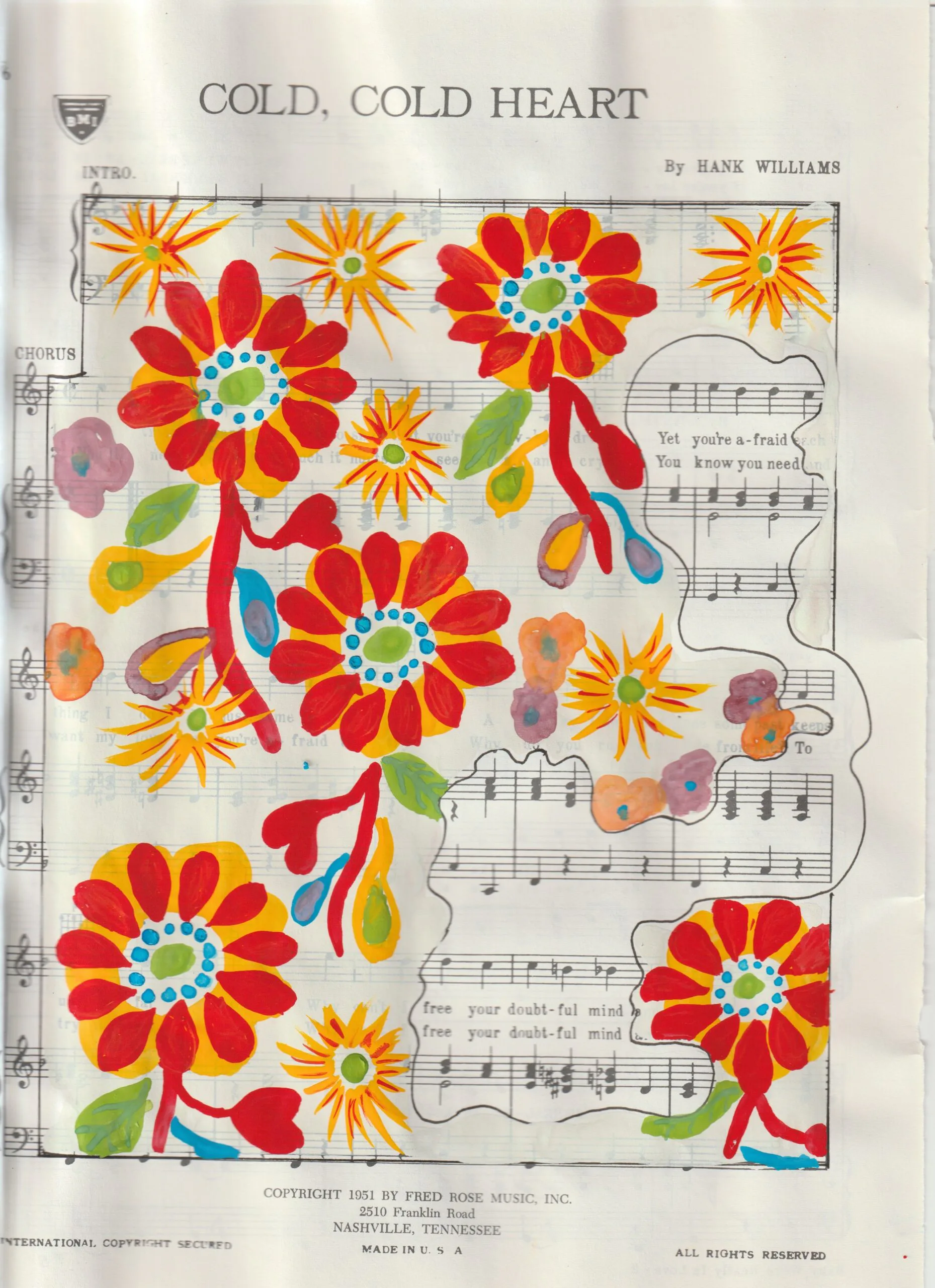
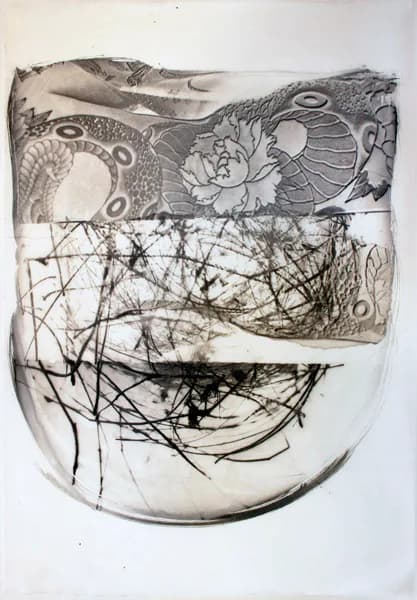
Collage / Other works on paperIn my artwork I collage human forms with elements of flora and fauna. I create negatives in an analogue darkroom. I layer my negatives to intersect and connect using palladium printing. Palladium prints, like platinum, are perhaps the most subtly beautiful and most permanent of all photographic processes.
We are not separate from nature–we are made of it. In an era of accelerating climate crisis, ocean warming, species extinction, and the continuing oppression of women and earth in tandem, I make work that refuses that separation. My practice is rooted in ecofeminist philosophy: the understanding that the domination of the natural world and the domination of women arise from the same cultural logic, and that both demand the same resistance– a return to interdependence, to kinship, to the radical acknowledgment that human bodies are ecosystems embedded in larger ecosystems. Working in four interlocking bodies of work– Ecofeminism, Fauna, Flora, and Sea–I combine photography, camera-less darkroom processes, and hand-painted surfaces to create images where the human body merges with the animal, the botanical, and the oceanic. The boundary between figure and environment dissolves. My subjects do not stand before nature: they are continuous with it. Tattoos are central to my practice as a philosophical proposition. Tattooed human skin–already a surface where culture writes itself onto a body–becomes in my work a site of merger: flesh intertwining with serpents, roots, dragonfly wings, botanical forms, the sea. The body is revealed not as a bounded self, but as a permeable membrane continuous with the larger organism of the world. My materials are chosen with intention. I print with the palladium process–a 19th century technique that produces tonal distinctions of extreme subtlety–onto Japanese gampi paper, a handmade sheet drawn from the fibers of a wild plant. I work in a traditional analogue darkroom, making camera-less negatives by placing flower, leaves, and seaweed directly in the enlarger and allowing them to draw their own portraits. For my assemblages I add pearlescent watercolor and hand-drawn marks. The result is a hybrid object: part photographic record, part painting, part material investigation of what it means to be alive in a world of organisms.